

Your roof is one of the most critical barriers protecting your home from the elements—yet it’s often overlooked until a severe problem arises. Early signs of damage, such as loose shingles, subtle leaks, or sagging areas, can easily go unnoticed until they lead to costly repairs or interior water damage. Homeowners can save time, money, and stress by learning how to spot these warning signs before they escalate.
Your roof is the primary shield protecting your home from rain, wind, and harsh sunlight. Undetected damage can quickly escalate, resulting in expensive repairs or even endangering your home’s structural integrity. Taking initiative to notice early warning signs can save money and protect your loved ones. For those unsure about their roof’s condition or considering a replacement, consulting with an expert roof replacement Charlotte NC can give you professional guidance and peace of mind.
Interior Signs of Roof Damage
Your home’s interior can provide crucial clues about the state of your roof. Keeping an eye out for these symptoms may help you address small problems before they worsen:
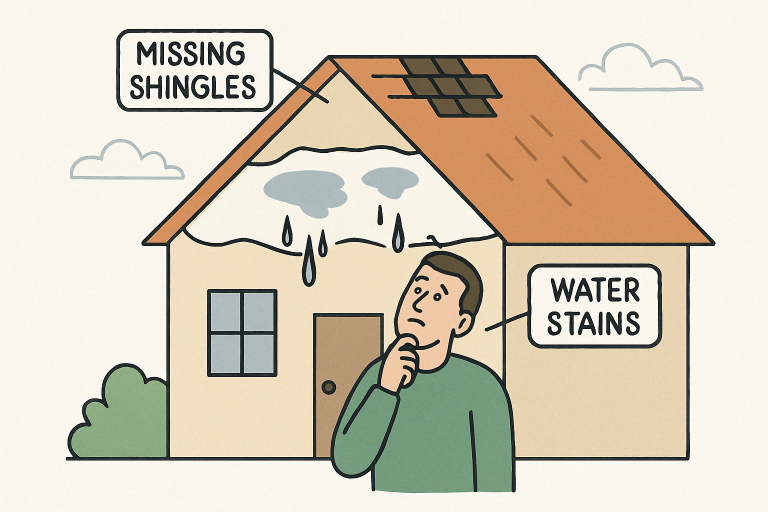
- Water Stains on Ceilings or Walls: Yellowish or brownish stains on ceilings or walls can indicate a leak in your roof, particularly after heavy rain.
- Peeling Paint or Wallpaper: Bubbling or cracking paint can result from unnoticed leaks that allow moisture to seep into walls.
- Musty Odors or Mold Growth: Persistent dampness may encourage mold, which damages building materials and poses health risks.
Attic Inspection
Sometimes, roof problems are most evident from within your attic. Make an attic inspection part of your regular home maintenance routine by looking for:
- Leaks or Water Damage: Darkened wood, mold, or wet spots on insulation often signal a leak above.
- Sunlight Penetration: If light rays are visible inside the attic, it’s a clear sign of holes or serious wear in your roofing material.
- Insulation Issues: Damp or compacted insulation prevents proper temperature regulation and may indicate prolonged leaks.
Exterior Signs of Roof Damage
Many types of roof deterioration are more evident from the outside, especially after storms. Regularly inspecting your roof can help catch visible issues such as:
- Missing, Cracked, or Curling Shingles: Shingles that are warped, cracked, or missing entirely leave your underlayment vulnerable to rain and wind.
- Damaged or Deteriorated Flashing: Flashing, which seals the joints around chimneys or vents, may rust or loosen over time, leading to water intrusion.
- Visible Sagging or Uneven Roof Sections: These structural problems can result from rotting sheathing or framing, often caused by long-term moisture exposure. Learn more about roof structure at Modern Exterior.
Conducting a Roof Inspection
DIY Inspection
For homeowners who want to inspect their roofs, prioritize safety above all. Use a sturdy ladder, non-slip footwear, and consider a harness for steep roofs. As you inspect, check for:
- Obvious shingle damage or granule loss
- Flashings with signs of rust, gaps, or separation from the roof
- Gutters filled with shingle granules or obstructed by debris
Hiring a Professional Inspector
If you’re uncomfortable inspecting your own roof or suspect extensive damage, a certified roofing contractor can carry out a complete inspection. Experts have the training and equipment necessary to spot subtle issues and provide a detailed, itemized report of all problem areas. This can be especially useful after severe weather events or before purchasing or selling a home.
Preventive Maintenance Tips
Prevention is always more cost-effective than emergency repairs. Incorporate these tips into your home care checklist to keep your roof in optimal shape:
- Clean Gutters Regularly: Blocked gutters can cause water to pool on your roof, increasing the risk of leaks or ice dams.
- Trim Overhanging Branches: Storms or heavy winds can break branches, damaging your roofing materials. Keep trees well pruned.
- Remove Roof Debris Promptly: Wet leaves or twigs can trap moisture, accelerating wear or algae growth.
- Ensure Proper Attic Ventilation: Sufficient airflow will help avoid moisture buildup and extend the life of your roof. A well-ventilated attic also helps regulate indoor temperatures, reducing energy costs year-round. Make it a habit to inspect your roof after major weather events for early signs of damage. Consistent upkeep not only protects your investment but also helps maintain your home’s overall structural integrity.