

Key Takeaways
- Expanding foam is a modern, efficient alternative to concrete for deck post installation.
- Proper planning, quality materials, and careful execution are vital for a robust deck foundation.
- Choosing the right foam solutions for deck post setting enhances the speed and durability of your project.
Table of Contents
- Understanding Expanding Foam for Deck Posts
- Materials and Tools Needed
- Step-by-Step Installation Process
- Advantages of Using Expanding Foam
- Considerations and Best Practices
Understanding Expanding Foam for Deck Posts
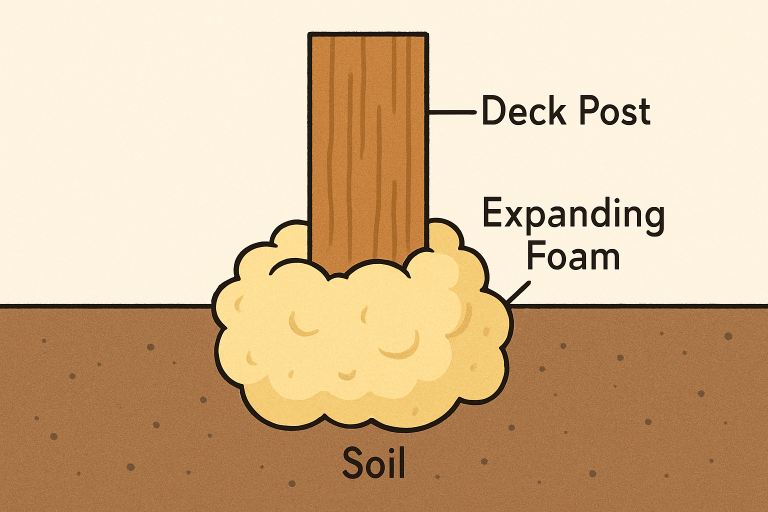
Deck building provides an attractive, functional upgrade to any property, yet the foundation is everything. Traditionally, homeowners relied on labor-intensive methods like concrete, but now innovative foam solutions for deck post setting offer a faster, cleaner, and equally durable alternative. Expanding foam combines two chemical components to fill gaps around your post, then cures into a strong, water-resistant base.
Unlike concrete, which demands heavy lifting and lengthy curing times, expanding foam is lightweight and begins setting in just minutes. The result is a stable, long-lasting footing that holds up in wet conditions and protects wooden posts from moisture and rot, critical for decks in varying climates.
Materials and Tools Needed
Gathering the right tools and materials immediately makes installation more efficient and safer. You’ll need the following:
- Expanding foam post mix
- Deck posts (pressure-treated for ground contact)
- Post hole digger or auger
- Level
- Measuring tape
- Stakes or clamps for temporary bracing
- Protective gloves and safety glasses
This equipment supports accurate, safe, and quick installation, whether you’re a DIY enthusiast or an experienced builder. Keeping protective gear handy is essential since the foam’s chemicals should not contact skin or eyes.
Step-by-Step Installation Process
1. Plan and Mark Post Locations
Mark out your deck’s perimeter and use a measuring tape to pinpoint exact post positions. Accurate marking is critical to achieving a level, code-compliant structure.
2. Dig Post Holes
Excavate each marked spot with a post-hole digger or auger. Depth is key: Ensure holes extend at least 6 inches below the local frost line to prevent shifting during freeze-thaw cycles. The diameter should allow enough space around the post for foam expansion.
3. Position and Brace the Posts
Insert each post and brace it securely using stakes and clamps. Use a level to confirm that the posts are perfectly plumb in all directions. Proper bracing prevents movement during foam expansion and curing, essential for structural integrity.
4. Prepare the Expanding Foam
Following the manufacturer’s guidelines, mix the two-part foam in a disposable bag or container. The chemical reaction starts immediately, so be prepared to use the foam without delay. Always wear gloves and safety glasses when mixing and pouring.
5. Pour the Foam into the Hole
After mixing, pour the foam around the post base. The foam will quickly expand, filling gaps and enveloping the wood for a secure fit. Pour steadily to avoid overflow, and ensure the foam reaches above ground level.
6. Monitor and Adjust
Observe the post alignment as the foam expands—typically within 15-30 minutes. Adjust the bracing to keep the post plumb as the foam hardens and locks it in place.
7. Trim Excess Foam
Once cured, cut away any excess foam above ground level using a sharp utility knife. Keeping the area flush improves appearance and minimizes potential trip hazards as you continue deck construction.
Advantages of Using Expanding Foam
- Lightweight, Quick, and Clean: Reduces time and labor compared to traditional concrete methods.
- Resistant to Moisture: The foam forms a barrier that guards the post against rot and insect damage.
- Allows Fast Project Progress: The foam typically sets within half an hour, allowing you to move quickly to the next construction step.
Considerations and Best Practices
- Soil Stability: Expanding foam performs best in dense, well-draining soils. In soft or sandy soils, use wider holes or more bracing.
- Product Choice: Select premium, post-specific foam mixes for strength and reliability.
- Weather Conditions: Install on dry days with moderate temperatures; extreme heat or cold can impede foam expansion and curing.
- Code Compliance: Always reference your local building codes to ensure your deck meets all safety requirements.
Proper preparation and material selection lay the groundwork for a sturdy, moisture-resistant deck structure that lasts many seasons. By taking the time to understand soil conditions, choosing the right foam product, and following best practices during installation, you set yourself up for long-term success. Foam post anchor systems offer a reliable and efficient solution, but their performance depends on thoughtful planning and execution. With the right approach, you can build a durable, code-compliant deck foundation that resists rot, withstands the elements, and supports years of outdoor enjoyment.