

Table of Contents
- Smart Drilling Technologies
- Geothermal Well Drilling
- Closed-Loop Drilling Systems
- Community-Focused Water Projects
- Case Study: Deep Drilling in East Sumba
- Benefits of Sustainable Drilling Practices
Introduction
Securing reliable access to clean water is a pressing global challenge, prompting communities, businesses, and environmental organizations to seek innovative, sustainable solutions. The evolution of well-drilling technologies has paved the way for eco-friendly practices that not only guarantee long-term water supplies but also protect the environment for future generations. For example, when you seek expert water well drilling Western PA, advanced techniques ensure a blend of efficiency, environmental stewardship, and resilient results—qualities increasingly vital in today’s climate-aware world. These forward-thinking solutions are proving essential, particularly as the world balances increasing demand for water with the need for sustainable management of resources.
Aligning with these technological advances, service providers utilize intelligent machinery, closed-loop systems, and renewably powered projects to maximize water yield while minimizing long-term impacts. This article examines the diverse range of innovative strategies that are shaping water access and sustainability, from smart and geothermal drilling to community-based projects and inspiring case studies.
Smart Drilling Technologies
Modern well drilling is undergoing a digital revolution. The integration of Geographic Information Systems (GIS), satellite imagery, and sophisticated hydrogeological analysis empowers drilling teams to pinpoint the most promising sites for accessing groundwater. These digital tools minimize guesswork, ensuring that wells are sited where water is abundant and drilling has minimal ecological disruption. During the drilling process, automated rigs equipped with real-time data sensors monitor borehole stability, adjust drilling pressure, and detect aquifer characteristics, resulting in improved efficiency and enhanced worker safety. The result is a streamlined operation that delivers consistent quality, reduces unforeseen costs, and preserves natural resources.
Geothermal Well Drilling
Geothermal wells are more than just sources of clean water. By tapping into subsurface thermal energy, these wells provide power for renewable heating and cooling systems in homes and businesses. This dual-purpose approach is particularly effective in geologically active regions, bringing communities both reliable water and a stable, sustainable energy source. Moreover, geothermal systems significantly reduce greenhouse gas emissions, accelerating the transition away from fossil fuels. The U.S. Environmental Protection Agency (EPA) highlights geothermal energy as one of the most sustainable heating and cooling solutions available, thanks to its low operating costs and minimal emissions.
Closed-Loop Drilling Systems
The closed-loop approach conserves resources by recycling drilling fluids throughout the operation, eliminating the need for excessive water consumption and hazardous waste disposal. Instead of discarding used fluids, these systems filter, treat, and recirculate them, ensuring that virtually nothing escapes into the surrounding environment. This technology reduces drilling-related contamination risks and helps maintain the purity of both groundwater and surface water sources. By driving down both ecological and financial costs, closed-loop systems are rapidly becoming the industry gold standard for responsible well drilling.
Community-Focused Water Projects
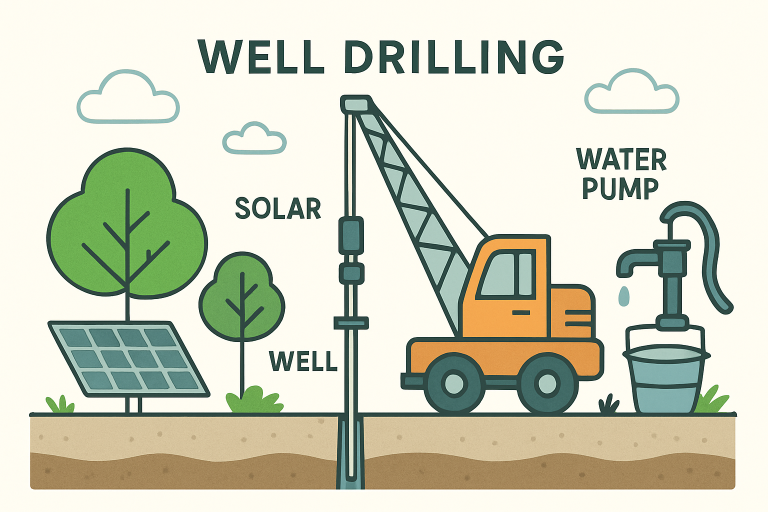
While single wells benefit individual properties, the greatest impact often comes from projects serving entire communities. These large-scale developments address pressing needs in areas where water scarcity poses a significant threat to health and livelihoods. Many such projects feature solar-powered pumps and off-grid energy solutions, ensuring a steady water supply independent of local infrastructure limitations. The World Health Organization emphasizes that access to sustainable, safely managed water is fundamental to community development, encompassing education, economic opportunities, and overall quality of life. Community-focused drilling also prioritizes resilience—equipment is selected for its longevity, and operational training is provided to locals, ensuring that ownership and expertise remain with the people who rely on these systems the most.
Case Study: Deep Drilling in East Sumba
A standout example of innovative, community-centered water access is found in East Sumba, Indonesia. Here, the Fair Future Foundation undertook a deep drilling initiative that reached depths exceeding 60 meters, incorporating over 6,000 meters of piping and multiple large-capacity storage tanks. This extensive system now supplies clean, safe water to more than 2,000 people, transforming public health and daily life outcomes for entire villages. Waterborne illnesses have sharply declined, and the improved infrastructure has empowered residents, especially women and children, who previously spent hours sourcing unreliable water.
Benefits of Sustainable Drilling Practices
- Environmental Protection: Techniques such as closed-loop drilling and precise geolocation help protect aquifers and biodiversity, preventing contamination before it occurs.
- Cost Savings: Systems using renewable power and recycled materials keep operational expenses low and limit the need for future repairs or replacements.
- Social Responsibility: Sustainable practices reflect a commitment to public health and equitable access, advancing collective progress in overcoming water scarcity and climate risks.
- Long-Term Viability: Advanced materials, robust engineering, and digital monitoring extend well lifespans, maximizing benefit while minimizing future disruptions.
With mounting pressure to conserve finite water resources, adopting forward-thinking well-drilling technologies and approaches has never been more vital. Smart technologies, geothermal systems, closed-loop operations, and thoughtfully engineered community projects each play a role in building a world where safe, sustainable water access is a reality for all.