

Key Takeaways
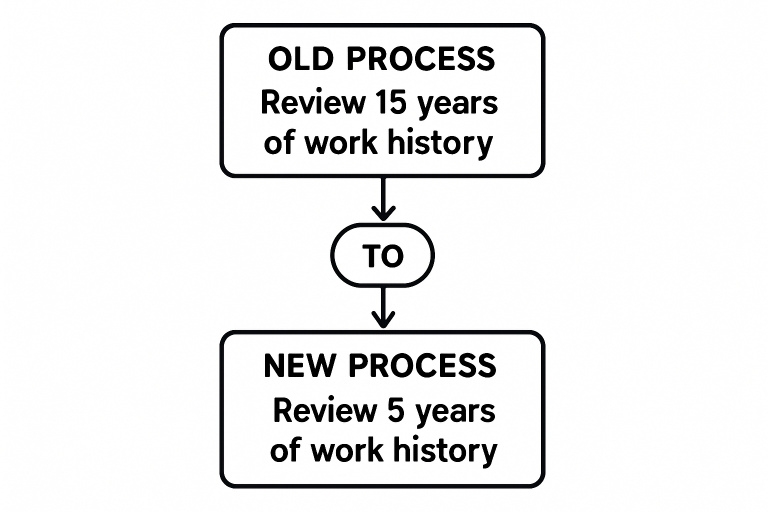
- The Social Security Administration (SSA) has reduced the work history review period from 15 to 5 years, simplifying the disability evaluation process and making it less daunting for applicants to provide detailed information about past employment.
- Outdated job listings have been updated to reflect current occupations, improving the accuracy and fairness of disability determinations by considering new technology and modern workplace realities.
- Efforts to modernize the claims process aim to reduce wait times and administrative burdens for applicants and enhance the reliability of the entire social security system in addressing citizens’ real-world needs.
Navigating the complexities of disability claims can feel overwhelming in today’s fast-evolving landscape. With new policies, digital tools, and shifting regulations, applicants must stay informed to advocate for their benefits effectively. A modern approach requires patience and a strategic mindset to manage documentation, deadlines, and communication with relevant agencies.
Central to success is understanding the VA disability claim process, which involves thorough preparation and precise knowledge of eligibility requirements, medical evidence, and appeals procedures. By grasping how claims are evaluated and what criteria the VA prioritizes, veterans and their representatives can better position themselves to secure fair and timely decisions. This foundation is essential for overcoming common hurdles and ensuring that rightful benefits are awarded without unnecessary delays.
Reduction in Work History Review Period
The Social Security Administration (SSA) has shortened the review period for work history in 2024. Previously, applicants had to recall, document, and verify employment from the past 15 years for disability benefits claims. This posed challenges for older adults, those with memory issues, and individuals in seasonal, temporary, or less formally documented jobs. The new policy focuses on the last five years of an applicant’s employment history, enabling examiners to base decisions on work that better reflects their current skills and abilities. This approach also allows for a more precise assessment of an applicant’s ability to perform “substantial gainful activity” today, rather than relying on outdated skills or roles. This change responds to concerns from advocacy groups and legal professionals about the burden of recalling extensive employment details. It also reflects broader feedback from applicants who have experienced frustration with the previous requirement to account for jobs that may no longer exist in today’s dynamic labor market.
Updating Occupational Data
Another significant change in 2024 involves how the SSA defines and considers different types of work. For many years, disability examiners referenced the Dictionary of Occupational Titles (DOT)—a tool that has become increasingly obsolete over time. Some sections dated back to the 1970s, failing to account for modern job descriptions, technological advancements, and the emergence of the digital economy. This generated confusion and sometimes led to claim denials or appeals based on jobs that no longer exist or had changed drastically in required skillsets.
The SSA now uses updated job data derived from the Bureau of Labor Statistics’ Occupational Requirements Survey, which offers a more accurate, nuanced view of today’s workforce. This new approach ensures that disability determinations consider not just the presence or absence of certain types of jobs, but also the actual physical, cognitive, and technical demands of each occupation. The system now accounts for remote work, increased reliance on digital skills, and a wider variety of accommodation possibilities for those with disabilities.
Accurate occupational data is integral for current employees, people re-entering the job market, and people transitioning due to health changes. This update enhances the SSA’s ability to assess claimants in a rapidly evolving labor market, improving fairness and transparency.
Modernization Efforts and Legislative Support
Legislative and administrative efforts have complemented these technical updates. A key development is the proposal of the “We Can’t Wait Act of 2023” (Bill S. 3400). This act would eliminate the five-month mandatory waiting period before new applicants with disabilities can receive their Social Security Disability Insurance benefits. While still under consideration in Congress, this proposal represents a strong bipartisan recognition that the system must prioritize fast, compassionate responses for people facing new and severe health setbacks.
The introduction of this bill also reflects renewed political will to address inefficiencies and outdated policy elements in the disability determination system. Legislative backing ensures that the modernization push won’t just be a passing trend, but a long-term effort to create sustainable improvements for those in need.
Impact on Applicants
The net impact of these broad-based reforms—shortened work history reviews, updated job data, and greater legislative support—has resulted in a smoother, quicker, and more equitable disability determination process. Claimants now spend less time navigating bureaucratic hurdles, face fewer obstacles in gathering employment records, and benefit from SSA decisions rooted in real-world employment and health realities. These improvements help reduce the number of appeals and administrative backlogs, so that more applicants receive the financial and medical support they need, when they need it most.
For those newly seeking disability benefits or considering whether they might qualify, staying updated on the ever-changing disability laws is essential. Consulting with advocates, medical professionals, or legal experts—or leveraging reputable online guides—can help applicants navigate the complex system. As reforms continue and technology reshapes employment, keeping informed will remain key to building a strong, successful claim.