

Key Takeaways
- Security guard services have evolved to address a variety of new and persistent risks.
- Modern security agencies use technology, advanced training, and community engagement to ensure effective protection.
- Data and real-world incidents guide the continuous improvement of security protocols.
- Working closely with local authorities and implementing best practices helps maintain a safe environment in public and private spaces.
The Changing Threat Landscape
The role of security guards has undergone a dramatic transformation in recent years, shifting from simple patrol and deterrence to a dynamic, multifaceted approach that anticipates and manages a broader range of threats. Today’s challenges include not only traditional concerns, such as burglary or vandalism, but also more complex issues, including organized crime, terrorism, and cyber risks. Companies such as US Protective Services have led the movement by constantly reassessing risk and deploying solutions suited to both emerging and persistent dangers.
Modern threats evolve rapidly. Security guard services are now expected to act quickly, using smart strategies and tools to respond to ever-changing risk profiles. The ability to adapt—through both human vigilance and technological innovation—has become a core competency for leading agencies in the protection space.
Integrating Technology into Security Services
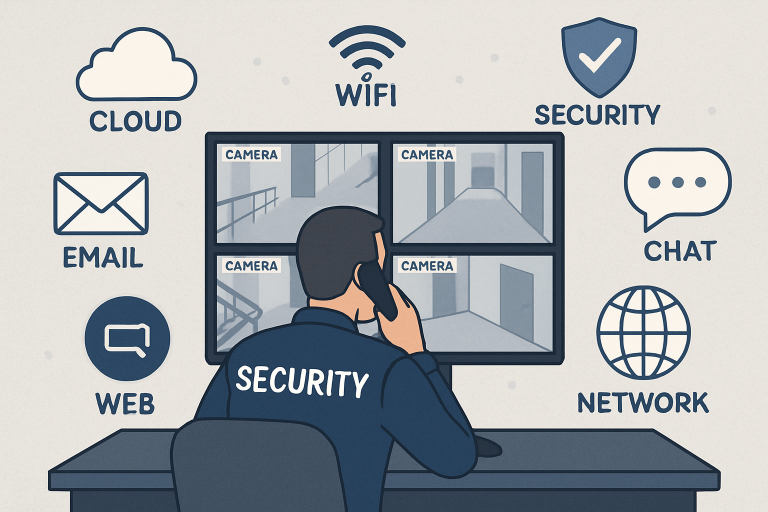
Incorporating advanced technology is one of the most crucial ways guard services maintain their edge. High-definition surveillance cameras, electronic access controls, and digital incident reporting platforms empower guards with instant situational awareness. This real-time monitoring enables personnel to detect and respond to threats more efficiently than with traditional methods alone.
Many providers now utilize AI analytics to identify activity patterns and irregularities that signal potential threats. Automation improves communication between guards and command centers, boosting emergency coordination. Forbes reports that AI is transforming security management, enabling proactive responses.
Evolving Training and Tactics
The best security services provide rigorous, ongoing training that goes far beyond basic patrol duties. Modern guards are adept not only at physical intervention but also in de-escalation and crisis management. They practice real-world scenarios ranging from natural disasters to rapidly developing threats, ensuring they can respond calmly and effectively under pressure.
Soft skills are as important as tactical expertise, with training now often covering customer service, cultural awareness, and conflict resolution. These abilities enable guards to work safely and professionally in any environment, particularly in high-traffic public spaces where vigilance and approachability are crucial.
Data-Driven Decisions in Security
Robust data increasingly guide the deployment of security guards. Agencies analyze crime statistics, local incident logs, and predictive analytics to allocate personnel and resources where they are needed most. This data-driven approach minimizes guesswork and sharpens the effectiveness of each strategy, as highlighted by Security Magazine.
Collaboration with Local Authorities
Guard services function most effectively when they’re integrated within the broader ecosystem of public safety. Developing close, ongoing partnerships with police, fire, and medical emergency teams yields faster, better-coordinated responses when every minute counts. Routine joint training exercises and open communication channels are essential for achieving the seamless collaboration that leads to favorable outcomes.
Building Relationships with the Community
Security guards also serve as a bridge between security providers and the communities they protect. Building trust through visibility, engagement, and open dialogue helps all stakeholders share responsibility in maintaining a safe environment. Community engagement initiatives and involvement in neighborhood watch programs have been shown to significantly reduce crime and foster a sense of collective responsibility in both residential and business settings.
Lessons from Real-Life Scenarios
No security plan is perfect, and each incident offers an important opportunity to learn and improve. Security firms routinely analyze breaches—whether outright crimes, minor infractions, or even false alarms—to identify weaknesses and implement better procedures. After-action reviews and sharing case studies internally ensure ongoing improvement and prevent the recurrence of mistakes.
For instance, agencies may discover through such reviews that faster reporting tools or refined communication protocols can make a critical difference in managing incidents, leading directly to revised training or investment in new technologies.
Future Trends in Security Guard Services
As threats continue to evolve, the future of security services will hinge on combining the instincts and adaptability of humans with increasingly sophisticated technologies. Remote sensors, drone patrols, and advanced AI threat detection are becoming more commonplace, extending the reach and coverage of human teams. Adaptability, continual upskilling, and an openness to community partnerships will ensure security guard services are equipped to face the challenges of tomorrow.
Conclusion
Today’s security guard services are defined by their agility, willingness to innovate, and close engagement with both technology and community. By aligning people, processes, and emerging tools, the industry ensures the safety and peace of mind of the homes, businesses, and public spaces we all rely on.