

Key Takeaways
- Quick action is vital when dealing with a plumbing emergency to prevent water damage.
- Knowing the location of your main water shut-off valve can save time and money.
- Simple steps like shutting off water and containing leaks minimize risks until professionals arrive.
- Many common plumbing emergencies are preventable with regular maintenance and early attention to warning signs.
- Reliable plumbing services can help avoid costly disasters.
Introduction
Plumbing emergencies can result in significant water damage and costly repairs if not addressed quickly. When a pipe bursts or a major leak starts unexpectedly, acting fast is crucial to protect your home and belongings. In such critical moments, knowing local experts can make all the difference—if you’re in need, consider West Monroe emergency plumbing services for prompt, professional help when it matters most.
Homeowners often face unexpected plumbing disasters, but a calm and informed response can minimize damage and expense. First steps include shutting off the water supply, containing leaks, and safeguarding valuables. Recognizing early warning signs of trouble, such as banging pipes, an unexplained spike in water bills, slow-draining sinks, and water stains, can help prevent emergencies. Addressing leaks early is key to limiting damage. If the leak persists, shut off the main water valve. Safeguard valuables and electronics, contain leaking water, document damage, and avoid contact with electrical components. Regular checks and simple habits can help protect your property.
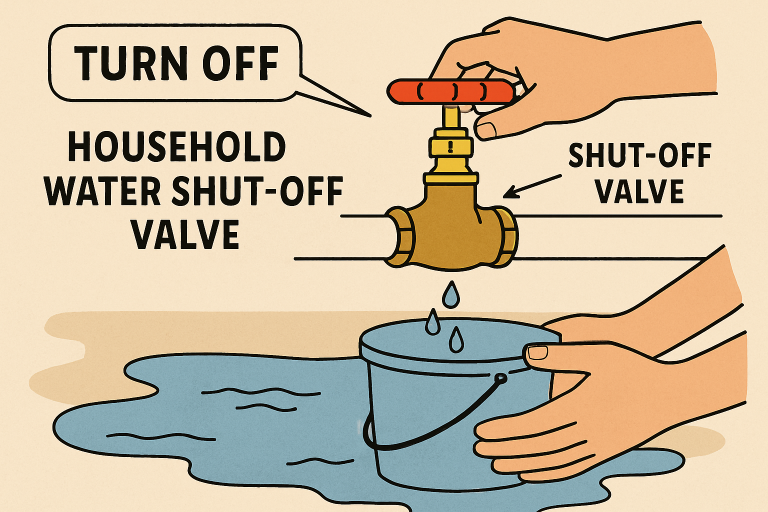
How To Locate And Use Your Main Shut-Off Valve
Every homeowner should be familiar with the location and operation of their main water shut-off valve. This valve is commonly found where the water main enters your home—often in the basement, crawl space, garage, or on an exterior wall. To stop water flow, turn the valve handle clockwise. If your home uses a lever-style valve, turn it perpendicular to the pipe. Practicing how to shut off your water in advance can save precious time during a crisis and prevent thousands of dollars in damage.
Most Common Types Of Plumbing Emergencies
Burst Pipes
Burst pipes are a leading cause of water damage, especially during freezing temperatures when water inside pipes can expand. Rapid, uncontrolled leaks can flood rooms and destroy walls and floors within minutes.
Severe Drain Clogs and Backups
A clogged drain or sewer line can result in water or sewage backing up into your home. This is not only unpleasant but also a health risk.
Overflowing Toilets
A blocked or malfunctioning toilet can quickly become an emergency, especially if water overflows and threatens to spread across floors.
Leaking Water Heaters
A rupture or slow leak in your water heater’s tank can release large volumes of water and leave your home without hot water until repairs are made.
Sewer Line Blockages
Tree roots, debris, or foreign objects can block main sewer lines, causing messy and hazardous backups. According to the Insurance Information Institute, water damage is among the most frequent causes of homeowners’ insurance claims, underscoring the importance of recognizing and addressing these emergencies promptly.
Tips To Prevent Plumbing Disasters
- Arrange annual plumbing inspections, checking for corrosion, worn pipes, and vulnerable hoses on appliances.
- Dispose of grease, coffee grounds, and other clog-inducing materials in the trash, never the drain.
- Install drain screens in sinks, tubs, and showers to catch hair and debris.
- Before winter, insulate exposed pipes to protect against freezing and bursting during cold snaps.
- Test water pressure regularly—excess pressure can strain and eventually rupture pipes.
When To Call A Professional Plumber
While minor clogs or leaks may be manageable with simple tools, serious plumbing emergencies demand a licensed plumber’s expertise. If you discover major leaks that you can’t trace, suspect sewage backups, or notice extensive water damage, seek professional help immediately. Licensed plumbers bring specialized diagnostics and equipment to identify root causes and implement permanent repairs, ensuring your property is restored to safety and functionality.
Does Home Insurance Cover Plumbing Incidents?
Home insurance policies differ widely in plumbing coverage. Most will pay for sudden, accidental water damage—like a burst pipe—but not for slow or neglected leaks. Read your policy closely to understand stipulations. After a plumbing mishap, detailed documentation—photos, receipts, and descriptions—can streamline your claim. Always check with your provider for exact coverage and claim requirements.
Conclusion
A plumbing emergency at home can feel overwhelming, but taking the right steps quickly can prevent major damage and costly repairs. From shutting off the water supply to addressing immediate safety concerns and knowing when to call a professional, preparation makes all the difference. By staying calm, keeping essential tools on hand, and having a trusted plumber’s contact ready, you’ll be equipped to handle emergencies with confidence. Ultimately, being proactive ensures your home stays safe, functional, and protected against unexpected plumbing crises.