
Key Takeaways
- Recognizing the early symptoms of tree distress can prevent severe property damage and enhance overall safety for everyone on your premises.
- Consistent inspections and prompt, strategic actions are fundamental to sustaining vigorous, safe trees year after year.
- Collaboration with certified arborists ensures you receive accurate diagnoses, tailored care plans, and responsible solutions that align with tree health best practices.
Table of Contents
- Introduction
- Dead or Dying Branches
- Sudden Leaning
- Cracks or Splits in the Trunk
- Fungal Growth
- Root Damage
- Unusual Leaf Discoloration or Loss
Trees enhance the beauty and environmental quality of any property, serving as living investments in shade, privacy, and curb appeal. Beyond their aesthetic and functional value, however, trees require vigilant care to ensure their continued health and safety. Even a seemingly robust tree can secretly harbor issues that, left unaddressed, may escalate into risks for your home, vehicles, or the people in your vicinity. Proactive tree care is not just about maintaining appearances—it is essential to avoiding dangerous scenarios and unexpected emergency costs. Homeowners and property managers who partner with professionals like Tree Work Now experience greater peace of mind, knowing that subtle warning signs are caught early and expert interventions are readily available. This readiness preserves not only the vibrancy of your landscape but also the safety and value of your entire property.
The first defense against tree-related hazards is education, knowing exactly what symptoms or changes to look for in your trees. Early recognition allows you to act before issues become emergencies, potentially saving lives and considerable costs. In this comprehensive guide, you’ll learn about the critical signs that signal when a tree urgently needs professional attention and why quick, informed responses can secure your green investments for the long term.
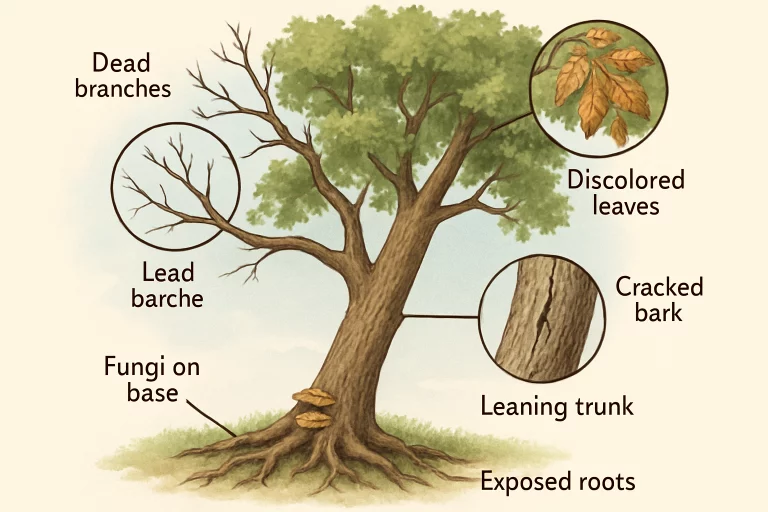
Dead or Dying Branches
Dead or diseased branches provide some of the earliest—and most visible—signals that a tree is in distress and needs immediate care. These branches usually present as brittle and leafless, and may have peeling bark or an accumulation of dead twigs and material below the canopy. Such branches can also appear faded, cracked, or even hollow when tapped. While they are unsightly, the risks they pose go far beyond aesthetics: during storms or high winds, dead branches can snap without warning, threatening to fall on nearby structures, cars, or even people below. Over time, these branches may act as entry points for further decay, pests, or pathogens, endangering the entire tree.
Professional pruning is essential not only for removing these hazards but for supporting overall tree health and longevity. Certified arborists employ precise techniques to remove deadwood, allowing the tree to focus its energy on healthy growth. Regular, seasonal inspections can help you catch and address dying limbs before they become dangerous or weaken the tree so badly that more extensive—and expensive—removal becomes necessary.
Sudden Leaning
One of the most alarming signs that something is wrong with your tree is a sudden lean, especially if the tree previously stood upright. This abrupt shift almost always indicates a serious issue that could compromise the tree’s stability. While some trees naturally grow at an angle, a recent and noticeable tilt—regardless of its cause—should be treated as a red flag. It often points to underlying problems like soil erosion, damaged or decaying roots, or a recent traumatic event such as strong winds or ground disturbance nearby.
What Causes Trees to Lean?
Leaning can result from various factors, including waterlogged or shifted soil, decayed anchoring roots due to fungal infections, or even mechanical damage from vehicles, equipment, or extreme weather events. An unstable tree is always at increased risk of toppling over, especially during storms or periods of saturated ground. Immediate assessment by a qualified arborist is critical, as the safety of your property and family may be at stake. The solution might involve structural support—like cabling or staking—or in severe cases, complete removal to prevent tragedy.
Cracks or Splits in the Trunk
The trunk serves as a tree’s main structural pillar. When visible cracks or splits appear, especially those that deepen or widen over time, the tree’s foundation is compromised. These injuries may arise from lightning strikes, heavy wind events, freezing and thawing cycles, pest infestations, or ongoing diseases. Cracks that run deeply or wrap around the trunk increase the likelihood that the tree will fail suddenly, especially under the strain of its own weight or during inclement weather.
It is vital to have trunk cracks evaluated right away by an expert. Sometimes, trees with minor trunk injuries can be supported with specialist treatments like bracing or wound-sealing, but deeper or spreading damage may necessitate full removal to protect your home and any adjacent structures. The sooner the problem is addressed, the better the chance of saving the tree or, at the very least, preventing dangerous outcomes.
Fungal Growth
The sudden appearance of any kind of fungus—such as mushrooms, shelf fungi, or woody conks—growing on the trunk or at the base of your tree is an immediate cause for concern. Fungi often indicate that wood within the tree is decaying, potentially as a result of ongoing moisture issues, internal rot, or existing diseases. Some fungi are particularly aggressive, accelerating the decomposition of critical supporting tissues and causing irreversible structural decline. Sadly, by the time fungal bodies are visible, significant internal damage may already have occurred.
Don’t ignore fungal growth: instead, consult with an arborist who can accurately diagnose the extent of decay and identify the best course of action. Treatment may involve specialized care if the rot is limited, but in cases of significant decay, removal might be the only solution to safeguard surrounding areas.
Root Damage
The root system is every tree’s anchor and lifeline, but because it lies hidden beneath the soil, root damage can go undetected until severe symptoms appear above ground. Roots can be harmed by a range of activities, including heavy construction, excavation, changes in soil grade, vehicle traffic across the root zone, or long-term overwatering/compaction. Roots may also fall victim to fungal or insect infestations, further undermining the tree’s ability to absorb water and nutrients or resist storms.
Spotting Root Damage
- Exposed, broken, or severed roots, often left visible after digging or construction.
- Areas of heaving, cracked, or disturbed soil near the tree base are signs that the roots below are compromised.
- Noticeable leaning, movement, or instability in the tree, especially after wind or rain events.
Additional above-ground symptoms, such as widespread canopy thinning, yellowed or undersized leaves, and unexplained dieback, are common in trees struggling with root issues. The best protection is prevention: avoid heavy machinery or deep digging near trees and conduct regular health checks, especially for mature specimens or those near recent property work.
Unusual Leaf Discoloration or Loss
Leaves don’t just provide beauty; they serve as a tree’s barometer, reflecting both internal health and environmental conditions. Unusual changes—such as yellowing, browning, mottling, or wilting—can indicate a host of serious problems: pest infestations, insufficient nutrients, root damage, over- or underwatering, or the presence of disease. Premature leaf drop, particularly if it affects large areas of the canopy and occurs out of season, is especially concerning and warrants immediate attention.
When to Take Action
If you notice any significant irregularities in your tree’s foliage, call a certified arborist for diagnosis and treatment options. Early and targeted interventions can often resolve issues before they become life-threatening or necessitate removal. In cases of advanced decline, professional removal helps mitigate safety risks while protecting the surrounding landscape. Remember, acting quickly at the first sign of leaf troubles often spells the difference between recovery and irreversible loss. Protecting your trees—and the safety and value they provide—begins with awareness, regular inspection, and timely professional intervention. If you observe these urgent signs, immediately contact a reputable expert tree service. By responding swiftly, you can prevent accidents, reduce unexpected costs, and ensure your trees remain healthy and resilient for years to come.


