

Key Takeaways
- Tribal enterprises must balance cultural values, sovereignty, and modern IT needs in every strategy.
- Comprehensive infrastructure assessments reveal gaps and guide upgrades.
- Clear objectives and measurable KPIs align technology with community goals.
- Sustainable practices, from energy-efficient data centers to cloud solutions, support long-term growth.
- Data sovereignty and security remain critical, requiring tribal-first policies and strong vendor partnerships.
- Workforce development ensures tribal members can lead and sustain IT progress.
- Collaboration across tribes and vendors maximizes resources and innovation.
Understanding the Unique Needs of Tribal Enterprises
Tribal enterprises face a unique blend of challenges and opportunities. Unlike traditional businesses, these organizations must integrate cultural values and sovereign governance with modern business practices. Sustainable IT strategies require an in-depth understanding of the enterprise’s needs—balancing economic growth, community well-being, and cultural preservation. As more tribal operations invest in high-tech solutions, the need for comprehensive, forward-thinking infrastructure becomes even more crucial. With the surge in gaming and hospitality, many tribes are exploring casino technology services tailored to support sovereignty and drive efficiency across their operations.
Designing a successful IT strategy for tribal enterprises means working within a framework that respects traditions and tribal autonomy. It involves engaging with tribal leaders, understanding intergenerational aspirations, and ensuring that technologies introduced align with cultural and regulatory goals. With each step, technology must support—not replace—the community-first approach knit into tribal enterprises. The involvement of knowledgeable IT partners who recognize these dynamics can dramatically improve the strategy’s relevance and effectiveness.
Assessing Current IT Infrastructure
Building a sustainable strategy begins with honestly evaluating your current IT landscape. This assessment provides a foundational understanding of where your enterprise stands today, highlighting operational strengths, system weaknesses, and critical pain points. For many tribal entities, disparate legacy systems, fragmented data, and under-resourced IT teams are common hurdles. By mapping out the entire digital ecosystem, you can highlight gaps, security vulnerabilities, and opportunities for seamless integration.
Comprehensive assessments should cover hardware and software components, network architecture, digital services, and compliance with tribal and federal standards. Existing investments in technology, such as reservation management tools, learning platforms, or document management systems, should be reviewed for their scalability and sustainability.
Setting Clear Objectives and Goals
Establishing well-defined goals will guide every decision throughout the development and implementation of your IT strategy. Objectives might range from upgrading network security and digitizing tribal records to expanding access to digital services for tribal members and improving workflow automation. Clear, measurable goals set the direction for technology investments and ensure everyone involved is working toward aligned outcomes.
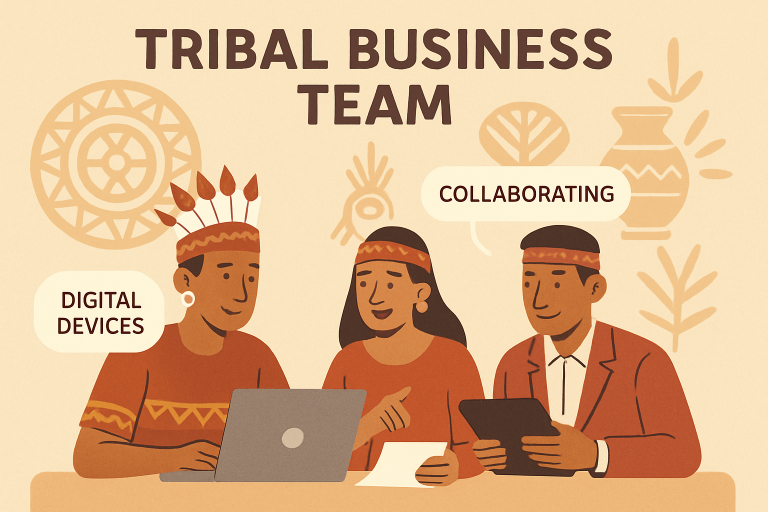
Key performance indicators (KPIs) should be tied to each objective—such as reduced operational costs, improved user satisfaction, or increased system uptime. This simplifies evaluating whether the strategy delivers tangible benefits over time. In addition, setting milestones can help track progress and motivate continued commitment to the strategy.
Embracing Sustainable Technologies
Adopting technology that minimizes environmental impact is good for the planet; it supports long-term cost savings and operational resilience. Tribal enterprises can explore energy-efficient data centers, renewable-powered infrastructure, and cloud-based platforms that maximize resource use while lowering emissions.
Energy Efficiency and Modernization
Moving away from outdated servers and adopting energy-efficient hardware can lead to significant savings. For example, introducing virtualization and cloud services reduces physical demands and offers scalability for future growth. Industry leaders also recommend actively monitoring energy usage and performing regular audits to identify additional efficiency opportunities. For more in-depth information on sustainability in IT, this Forbes article offers valuable insights into how businesses leverage sustainable IT practices worldwide.
Ensuring Data Sovereignty and Security
Data sovereignty is a top concern for tribal enterprises. In a world where information is a core resource, ensuring data remains governed by tribal regulations is paramount. Protecting sensitive community information requires advanced cybersecurity protocols, data encryption, multi-factor authentication, and physical data sovereignty—keeping servers and backups on sovereign land whenever possible.
Partnerships with IT vendors who understand tribal law and support sovereign data storage can help organizations maintain compliance and build trust within the tribal community. Guidance from industry groups—including the Department of Technology—has emphasized the importance of structured collaborations prioritizing tribal data rights.
Investing in Workforce Development
No IT strategy is sustainable without skilled people to manage and advance it. By investing in workforce development programs, tribal enterprises create ongoing opportunities for tribal members to become IT leaders, technicians, and digital innovators. This ensures your digital systems thrive and stimulates job growth and economic diversification within the community.
Training initiatives can include internships, technical workshops, and partnerships with educational institutions. Encouraging continuing education helps keep IT teams up to date with the latest technologies and best practices.
Establishing Partnerships and Collaborations
Strategic partnerships amplify the reach and success of your IT strategy. Collaborating with technology vendors, other tribal businesses, and industry leaders can give your enterprise access to shared resources, cost-effective tools, and leading-edge expertise. Establishing peer networks and joint ventures enables knowledge sharing, joint purchasing power, and the ability to implement new technologies at scale.
Shared services agreements and consortia are popular models for tribal enterprises aiming to maximize the value of IT investments while minimizing risk. By working together, multiple tribes can create collective bargaining for better vendor contracts and obtain tailored solutions that would otherwise be too costly to develop alone.
Continuous Evaluation and Adaptation
Technology is in constant flux, and sustainability requires vigilant review and ongoing adaptation of your IT strategy. Establish a practice of regular assessments to track progress against KPIs, identify bottlenecks, and incorporate emerging technologies. This agile, adaptive approach positions your enterprise to respond quickly to business needs, regulatory changes, and new opportunities for innovation.
Solicit feedback from stakeholders and frontline users to ensure solutions meet real-world needs. By building continuous improvement into the fabric of your IT planning, your enterprise can stay resilient and thrive for generations to come.
By understanding unique needs, setting clear goals, embracing sustainable technologies, ensuring data sovereignty, investing in the workforce, establishing collaborative partnerships, and committing to continuous evolution, tribal enterprises can craft IT strategies that drive long-term progress and community well-being.