
Key Takeaways
- Turn off the power and water supply immediately when a leak is detected.
- Identify the source of the leak for more effective troubleshooting.
- Small issues may be repairable, but major leaks or old units often require replacement.
- Regular maintenance can extend the life of your water heater and help you avoid future leaks.
- Do not hesitate to contact a professional for persistent leaks or if you feel unsafe.
Table of Contents
- Immediate Steps to Take
- Common Causes of Water Heater Leaks
- When to Repair vs. Replace
- Preventive Measures
- Potential Risks of Ignoring a Leak
- When to Call a Professional
- Conclusion
Discovering a leak around your water heater can quickly become a minor or major household crisis. Taking quick and informed action is vital for preventing water damage and keeping your home and loved ones safe. Whether you spot a puddle on the floor or notice water dripping from the tank, understanding what to do next is crucial. If you urgently need professional assistance, you can find helpful water heater service Salt Lake City through reliable local experts.
Addressing a leaking water heater promptly helps minimize the risk of structural damage, mold growth, and even potential safety hazards related to electricity or gas. By following a systematic approach, you can determine when a simple repair will suffice versus needing a full replacement.
Immediate Steps to Take
Turn Off the Power Supply:
- Locate the corresponding circuit breaker for electric water heaters in your panel and switch it off.
- If your unit runs on gas, turn the gas supply valve to the ‘off’ position.
Shut Off the Water Supply:
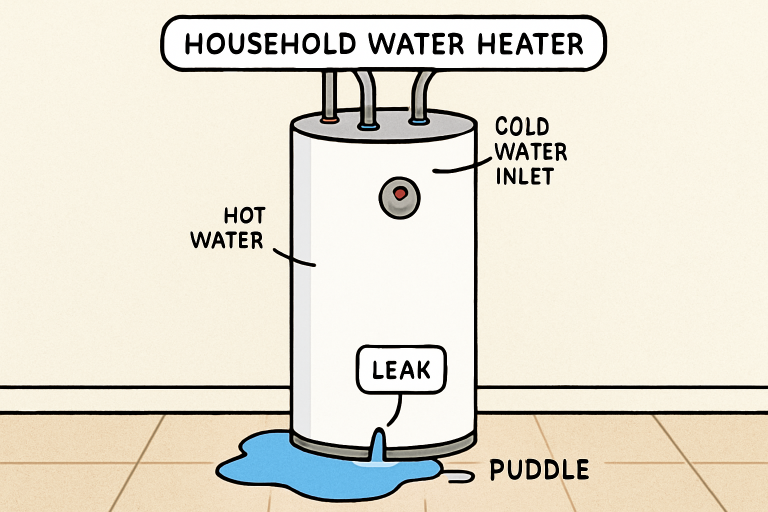
- Locate the cold water inlet valve directly above your water heater. Turn it clockwise to prevent more water from entering the tank.
Assess the Leak:
- Carefully inspect the tank to identify where the water is escaping—from the top, bottom, or sides. Look for visible cracks, pooling, or water stains to assist in narrowing down the source and severity.
Common Causes of Water Heater Leaks
- Age and Corrosion: Water heaters generally last 8–12 years. Corrosion can create rust spots and pinhole leaks over time, especially if the sacrificial anode rod isn’t replaced periodically.
- Loose Drain Valve: The drain valve at the bottom of the tank may become loose or develop a faulty seal, causing water to drip, particularly after draining or flushing the tank.
- High Pressure: Excessive building water pressure or a malfunctioning temperature and pressure relief valve can push water out of joints or valves, signaling potential danger if the situation is not addressed.
When to Repair vs. Replace
Choosing whether to repair or replace your water heater depends on several key considerations:
- Age of the Unit: If your heater is over 10 years old and experiencing leaks, replacement is often more cost-effective than repeated repairs.
- Extent of Damage: Small leaks caused by a loose valve or fitting might only need tightening or replacement, while widespread corrosion, cracked tanks, or persistent leaks generally require a new unit.
- Efficiency Considerations: Modern water heaters are far more energy-efficient, which can lower your monthly bills and improve long-term reliability.
Preventive Measures
Consistent upkeep significantly reduces the risk of leaks and breakdowns:
- Annual Inspections: Schedule a yearly checkup by a plumbing professional to catch problems early.
- Flush the Tank: Sediment accumulation can corrode the tank and components. Flushing the heater annually prevents buildup and maintains efficient operation.
- Check the Anode Rod: Inspect and replace this crucial part every 3–5 years; it diverts corrosion from the tank walls and greatly extends unit life.
Potential Risks of Ignoring a Leak
- Water Damage: A small, persistent leak can degrade flooring, subfloors, drywall, and personal property.
- Mold Growth: The continued presence of moisture encourages dangerous mold and mildew, posing health and property risks.
- Increased Utility Bills: A malfunctioning or leaking unit runs less efficiently, leading to higher energy and water costs.
When to Call a Professional
If you cannot pinpoint the source of the leak or if turning off your water heater does not stop the water, it’s best to seek immediate help from a licensed plumber. Water heater issues can quickly escalate if ignored, threatening your home’s safety and inflating repair costs. An expert can assess if you need a simple fix or a full replacement and ensure any repairs are up to local safety codes.
Conclusion
Addressing a leaking water heater when it’s spotted protects your home from costly water damage and helps maintain safe, efficient hot water. Regular inspections, proper maintenance, and timely repairs are essential for extending your water heater’s service life.


