

Key Takeaways
- Preventive dental care reduces long-term health risks and costs.
- Simple daily habits have a big impact on oral health.
- Insurance and regular checkups are crucial in maintaining dental wellness.
- Families can take practical steps to prioritize dental prevention, leading to healthier, happier lives.
Table of Contents
- The Surprising Benefits of Preventive Dental Care
- The Science Behind Prevention: Why It Works
- Daily Habits That Strengthen Smiles
- How Prevention Saves Families Money
- Building Healthy Habits for Children
- Why Regular Dental Visits Matter
- Practical Steps for Embracing Preventive Dental Care
- Final Thoughts
The Surprising Benefits of Preventive Dental Care
Preventive dental care is a proactive approach that helps families avoid serious health issues, reduce expensive dental treatments, and support overall well-being. Small, everyday choices in oral hygiene and regular dental checkups provide the foundation for a healthier future. It’s not only about preserving a beautiful smile but also about investing in the longevity and quality of life for everyone in the family.
Access to preventive dental services is often improved by choosing the right dental insurance. Families interested in maximizing both their health benefits and their financial savings can compare PPO dental plans by Delta Dental to find suitable coverage. With the right plan, preventive care becomes more accessible, routine, and affordable for families of all sizes. These plans often include coverage for cleanings, X-rays, and fluoride treatments, helping families maintain good oral health without unexpected expenses. Additionally, many PPO plans offer flexible scheduling options, making it easier to fit dental appointments into busy lifestyles. By choosing a plan that suits their needs, families can also benefit from discounts on orthodontics and other specialized treatments. Overall, evaluating different PPO options allows families to make informed decisions that support both their health and financial well-being.
The Science Behind Prevention: Why It Works
Preventive dental care is grounded in science that connects oral health to overall physical health. Gum disease—often preventable with good oral hygiene—has been linked to increased risks of heart disease, diabetes, and complications in pregnancy, as noted by the Centers for Disease Control and Prevention. The mouth acts as a gateway to the body, and bacteria from untreated dental problems can enter the bloodstream, causing or exacerbating chronic health conditions.
Daily preventive measures such as brushing with fluoride toothpaste, flossing, and visiting a dental professional for cleanings strengthen the “biofilm” that protects teeth and gums. According to studies published on Harvard Health, regular preventive practices limit the growth of harmful bacteria, reduce inflammation, and help maintain the balance of good oral flora.
Daily Habits That Strengthen Smiles
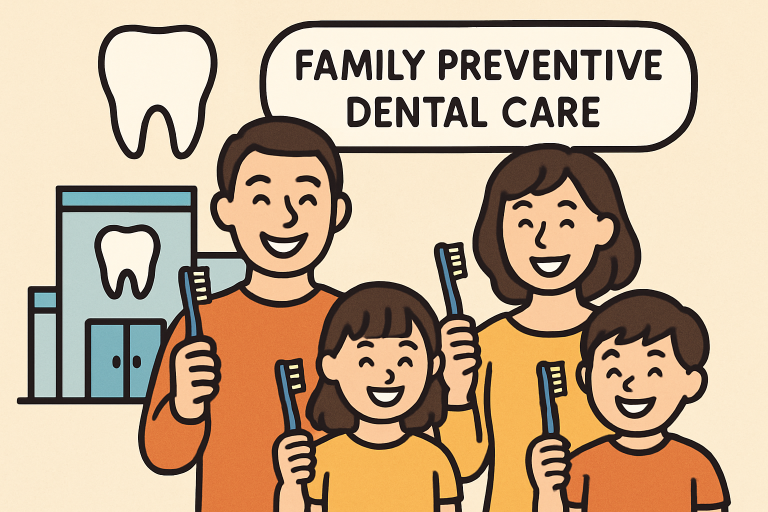
- Brush twice daily with fluoride toothpaste.
- Floss at least once daily to remove plaque between teeth.
- Use an antibacterial or fluoride mouthwash.
- Opt for nutritious snacks and minimize sugary foods and drinks.
- Drink water, especially after meals, to help rinse away debris.
Consistency in these habits decreases the risk of cavities, gum disease, and other oral health issues. Research from the American Dental Association highlights how routine preventive care at home dramatically lowers the need for emergency dental visits and invasive treatments.
How Prevention Saves Families Money
Investing in preventive dental care pays off financially over time. The cost of routine cleanings and preventive treatments is far less than that of complex procedures such as root canals, extractions, or crowns. According to the American Dental Association, every dollar invested in preventive care can save families as much as $50 in future restorative expenses. With proper coverage, the majority of routine dental visits, sealants, and even some X-rays may be fully or partially covered, helping families budget more effectively and avoid costly surprise bills down the road.
Building Healthy Habits for Children
Starting dental care young has benefits that last a lifetime. Experts recommend scheduling a child’s first dental visit by their first birthday. Early visits allow parents to catch problems before they start and receive personalized guidance for brushing, flossing, and diet. Making dental hygiene fun—through songs, games, or interactive apps—increases children’s willingness to participate. Limiting sweets and providing healthy snacks also gives children’s teeth the best start. Keeping regular appointments helps prevent tooth decay, which is the most common chronic childhood disease, according to the CDC.
Why Regular Dental Visits Matter
No matter how diligent a family is at home, professional dental care provides essential support. Dentists use specialized tools to remove plaque and tartar that can’t be addressed by brushing and flossing alone. Regular six-month visits allow early detection of cavities, gum disease, and even signs of other health concerns. This timely intervention stops issues before they become serious and lets families receive tailored advice for their unique needs. Consistent dental checkups also help reduce dental anxiety—making children and adults more comfortable and likely to maintain their care routines for life.
Practical Steps for Embracing Preventive Dental Care
- Set phone or calendar reminders for twice-daily brushing and daily flossing.
- Keep oral hygiene supplies visible and accessible in every bathroom.
- Plan family dental checkups around school or work holidays for convenience.
- Ask dentists for product recommendations suitable for specific family members’ needs.
- Track hygiene habits together as a family for motivation and accountability.
Small steps can have a big impact. Even busy families can carve out a few minutes each morning and night for effective home care. Tailoring these practices to each child’s age or needs helps ensure that preventive care feels manageable and personalized.
Final Thoughts
Preventive dental care isn’t just about avoiding cavities—it’s about building a lifetime of healthier, more confident smiles for the entire family. By embracing small, consistent habits, scheduling regular checkups, and choosing the right dental insurance plan, families can protect both their oral health and their wallets. The benefits go beyond teeth, supporting overall well-being and reducing risks for serious health issues. Every effort, from a quick floss to a professional cleaning, is an investment in a future with fewer dental problems, lower costs, and more reasons to smile. Start today, and let prevention be the foundation for your family’s lasting dental wellness.