
Key Takeaways
- Invisalign and traditional braces can both improve tooth alignment and bite concerns.
- The right option depends on your dental needs, lifestyle, budget, and treatment goals.
- Invisalign is removable and less noticeable but requires consistent daily wear.
- Traditional braces stay in place and may be suitable for more complex tooth movements.
- Daily hygiene and eating habits differ between aligners and braces.
- Treatment time varies based on the complexity of each case and patient compliance.
- Compare total costs, including appointments, refinements, repairs, retainers, and follow-up care.
- Retainers are important after active orthodontic treatment to help maintain tooth position.
- A professional examination is necessary to determine which treatment is appropriate.
For people in Willowbrook and nearby DuPage County communities, choosing between Invisalign clear aligners and traditional braces often comes down to more than appearance. Your bite, tooth movement needs, daily schedule, budget, and willingness to follow treatment instructions all play an important role. A consultation with a local dental professional can help turn a broad decision into a treatment plan that fits your smile and routine.
Whether you commute along Kingery Highway, manage a busy family calendar, or want to feel more confident in photos and conversations, it helps to understand the differences before making a decision. The team at dentistsofhinsdalelake.com can evaluate your teeth, gums, bite, and orthodontic goals to help determine which approach may be appropriate.
Understanding Invisalign and Traditional Braces
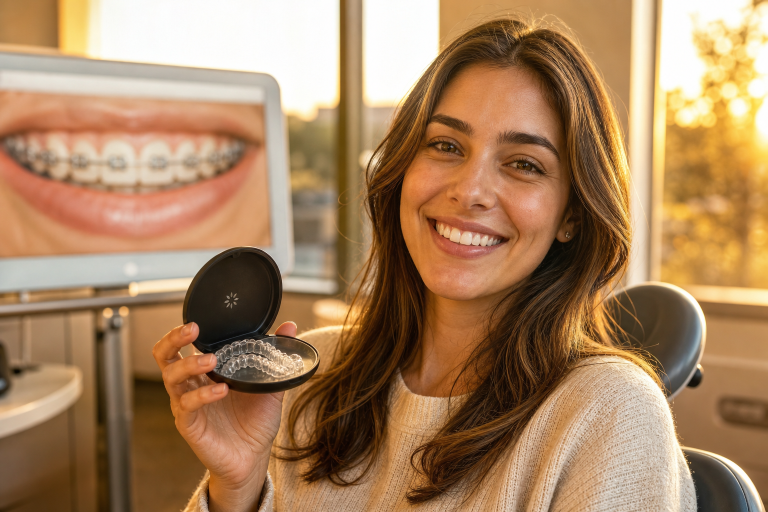
Invisalign treatment uses a sequence of clear, removable aligners designed to move teeth gradually. Each set is typically worn for most of the day and changed according to the treatment plan. Traditional braces use brackets attached to teeth and a wire that applies controlled force over time. Both options are orthodontic systems intended to improve tooth alignment and, in many cases, bite relationships. Neither option is automatically better for every person. Orthodontic treatment can involve moving teeth in several directions, correcting spacing or crowding, and addressing bite concerns. The role of orthodontic treatment is not limited to creating a straighter-looking smile. A thorough evaluation helps identify the movements needed and the method most likely to manage them predictably.
Appearance and Everyday Confidence
Clear aligners are popular because they are less noticeable than metal brackets and wires. Adults and teens who prefer a more subtle orthodontic option may appreciate the ability to briefly remove aligners for meals, presentations, photographs, and certain special occasions. Traditional braces are visible, though modern options may use smaller brackets or tooth-colored materials. For many patients, visibility is an acceptable trade-off for a fixed appliance that stays in place and works continuously without requiring them to remember to put it back in.
Appearance May Matter, but It Is Not the Only Factor
A discreet look can be important, particularly for working adults and image-conscious teens. Still, the most successful choice is usually the one that can accomplish the recommended tooth movements while fitting the patient’s habits. A nearly invisible option is only effective when it is worn consistently.
Which Problems Can Each Option Address?
Clear aligners can be effective for many alignment concerns, including certain cases of crowding, spacing, and bite correction. Attachments, small tooth-colored shapes placed temporarily on teeth, may be used to help aligners grip and guide specific movements. Some plans also use elastic bands or other supporting features. Traditional braces may be recommended for more complex tooth movements, significant rotations, teeth that need to move vertically, or certain bite issues. Because braces are fixed in place, they do not depend on daily wear compliance to the same extent as aligners do. That can be especially helpful for patients who may struggle to wear removable aligners as directed. The only reliable way to know which system fits your situation is through an examination that considers tooth position, jaw relationship, gum health, existing dental work, and overall treatment goals. Orthodontic planning should never be based on photographs alone.
Daily Care, Eating, and Oral Hygiene
With Invisalign aligners, patients remove the trays to eat and drink anything other than water. Teeth should be brushed before the aligners go back in, and the aligners should be cleaned regularly. This flexibility means there are generally no food restrictions, but it also requires consistency throughout the day. Braces remain on teeth while eating, so patients are usually asked to avoid foods that can damage brackets or wires, such as hard candies, sticky caramel, and ice. Brushing around brackets takes extra attention, and flossing often requires a floss threader or another tool designed for braces.
Questions to Consider About Your Routine
- Can you reliably wear removable aligners for the recommended number of hours each day?
- Would removing, storing, cleaning, and replacing aligners feel manageable at school, work, or activities?
- Are you comfortable adjusting meals and snacks to protect fixed braces?
- Will you follow daily brushing and flossing instructions with either treatment?
Treatment Time and Appointment Needs
Treatment length varies widely. It depends on the starting position of the teeth, the bite, the movements required, and how closely the treatment plan is followed. Clear aligner patients may need periodic check-ins and additional aligners if the teeth do not track as expected. Braces also need regular visits so the orthodontic team can monitor progress and make adjustments. Neither option should be chosen solely because it is advertised as faster. A carefully planned treatment that addresses the right concerns is more valuable than a rushed timeline. Ask what progress milestones to expect and what could extend treatment.
Cost and Value Considerations
The cost of Invisalign and braces can overlap, but fees vary based on the complexity of the case, estimated treatment length, required appliances, and the provider’s approach. Insurance benefits, financing options, retainers, replacement aligners, and follow-up care may also affect the overall expense. When comparing estimates, ask what is included rather than focusing only on the initial price. It is useful to understand whether the quote covers records, appointments, refinements, repairs, retainers, and post-treatment monitoring. A clear financial conversation can prevent surprises later.
How to Choose the Right Orthodontic Option
For many Willowbrook patients, the best choice comes from balancing clinical needs with real life. Invisalign may be appealing if you want a removable, lower-profile option and can maintain a consistent wear schedule. Traditional braces may be a stronger fit if your case is complex or you prefer not to manage a removable appliance.
- Ask which option can address your specific alignment and bite goals.
- Discuss the daily responsibilities attached to each treatment.
- Ask about expected treatment stages, visits, and possible adjustments.
- Review all expected costs before beginning.
- Choose a plan you can realistically follow from start to finish.
Why Retainers Matter After Treatment
Finishing the aligner or braces treatment is not the end of orthodontic care. Teeth can shift over time, which is why retainers are commonly recommended after active treatment. Your dental professional can explain which retainer type is appropriate, when to wear it, and how to care for it. Invisalign and traditional braces can both lead to meaningful improvements when chosen for the right reasons and followed carefully. A personalized consultation can help you choose an option that supports a healthier-looking, more confident smile without losing sight of the practical details that matter in everyday life.
Conclusion
Choosing between Invisalign and traditional braces in Willowbrook, Illinois, involves more than deciding which option looks better. Both treatments can improve tooth alignment and bite concerns. Still, the appropriate choice depends on the patient’s specific dental needs, treatment goals, daily habits, budget, and ability to follow the recommended plan. Invisalign may suit patients who value a less noticeable, removable option and can consistently wear and care for their aligners. Traditional braces may be more appropriate for certain complex movements or for patients who prefer a fixed appliance that does not depend on remembering to wear it. Cost, treatment length, appointment requirements, oral hygiene, eating habits, and possible refinements should also be considered before starting treatment. Patients should ask what is included in the total cost and what responsibilities they will have throughout the process. After active treatment, following the recommended retainer plan is also important because teeth can shift over time. A professional evaluation can help Willowbrook patients compare the two approaches based on their individual smile, bite, and lifestyle, rather than choosing based on appearance alone.


